Learning What Feels Good Again
Learning What Feels Good Again Why Sensual Curiosity Often Comes Before Sexual Desire For a while, the body becomes a place where very little happens by accident. You learn to


After cancer, many people expect the hardest part to be over.
The treatment is finished. The scans look better. The crisis phase has passed. On the outside, things appear more stable—even hopeful.
And yet, for many survivors, this is when intimacy starts to feel the most confusing.

After cancer, many people find themselves holding a quiet, aching hope:
I just want things to go back to normal.
Normal intimacy.
Normal desire.
Normal touch.
Normal closeness.
It’s a deeply human wish—and an understandable one. Cancer interrupts so much: bodies, routines, identities, relationships, time itself. Wanting what came before is not naïve or wrong. It’s grief speaking. It’s longing. It’s love for a life you knew.
And yet—this is where tenderness matters—“going back to normal” is often the very goal that keeps people stuck.

Let’s be honest: talking about intimacy, touch, sex, or changing emotional needs can be vulnerable even before a cancer diagnosis. Add in the layers of treatment, body changes, fatigue, grief, fear, or shifting desire—and suddenly the conversation can feel impossibly complex, even overwhelming.
But here’s what we know:
Connection doesn’t require perfection. It requires communication.
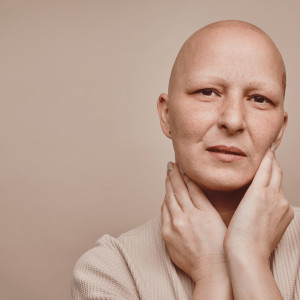
There are moments—after surgery, after treatment, after trauma—when you catch your reflection and feel like a stranger is looking back at you. Maybe because your body feels unfamiliar. Maybe because it looks different, moves differently, responds differently. Maybe because your relationship with your body has always been complicated, and now it feels like the rules have changed again.

When cancer changes your body, it can also change your relationship with pleasure. Sensation might feel different. Arousal may come slower—or not at all. The ways you once experienced orgasm might feel out of reach.

There’s a quiet story many of us carry that never makes it to the doctor’s office or the family dinner table.
It begins with a shift—a change in what we want, how we feel, or how our bodies respond.